Culture
Going to Jupiter
Inside Jupiter Festival Miami, where creators, athletes, brands and platforms are colliding around the future of content.
By J. Luis · Miami Beach, Florida · October 12, 2026 · 7 min read
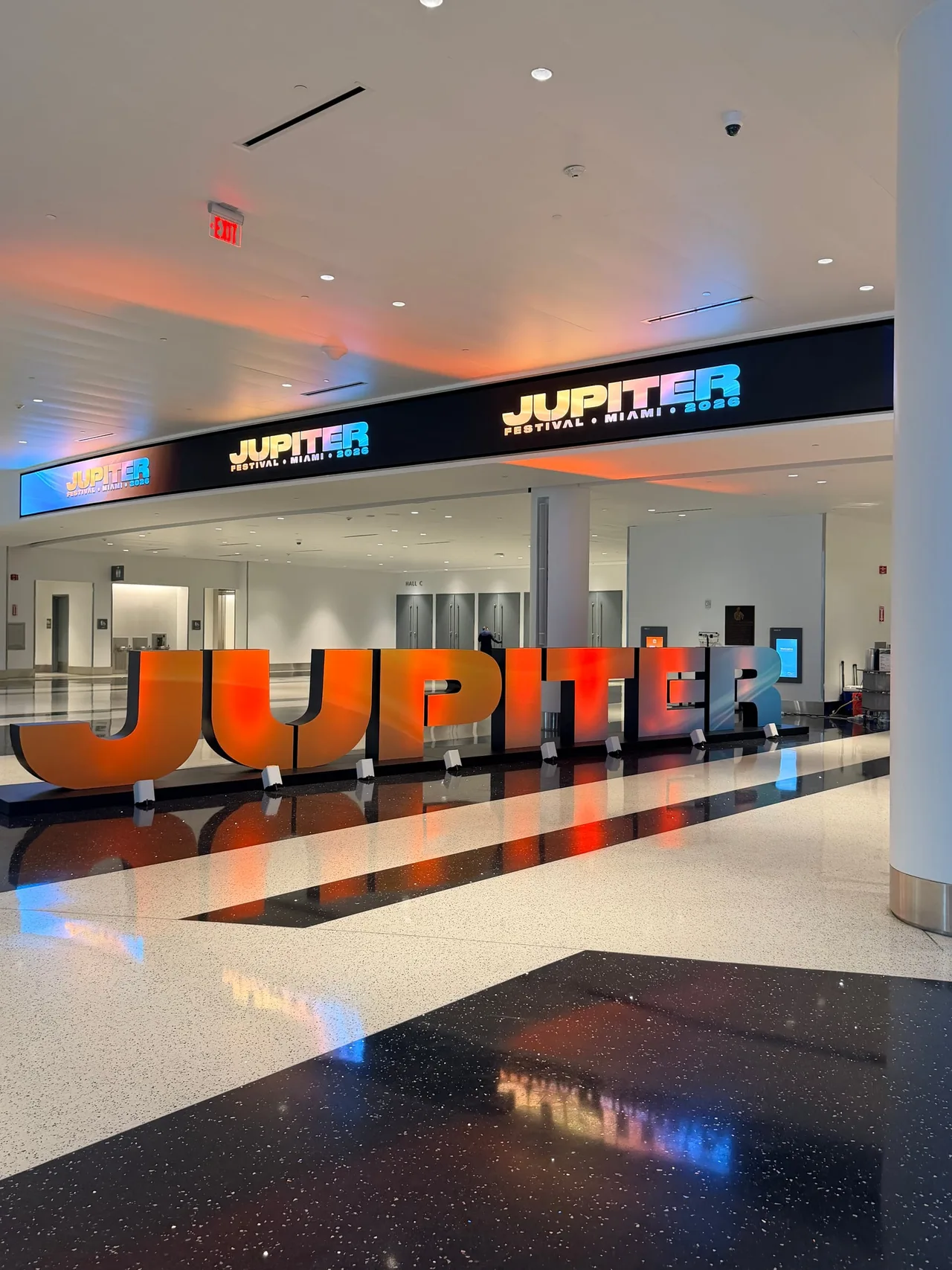
The first clue that Jupiter Festival Miami wasn't trying to behave like a traditional conference came before anyone sat down for a panel.
The inaugural festival had brought media executives, creators, athletes, marketers, platforms and storytellers to the Miami Beach Convention Center around one large question: what comes next for content?
There were drinks upstairs. Conversations were already forming around the YouTube lounge. People moved between spaces without much concern for where one industry ended and another began.
Then came the welcome.
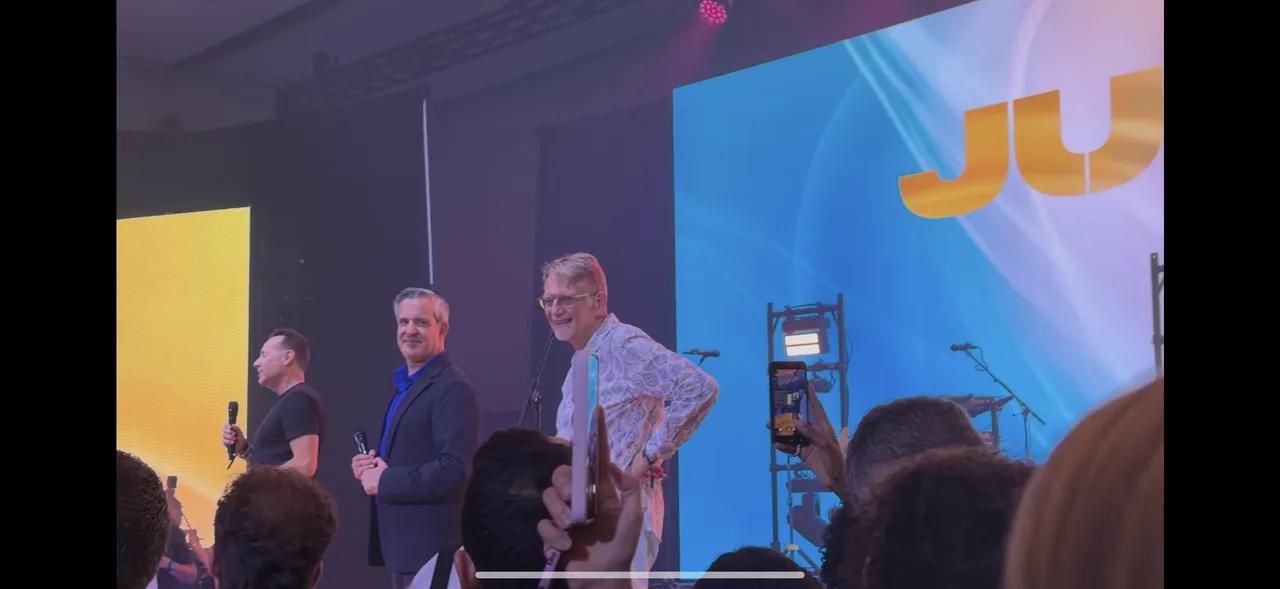
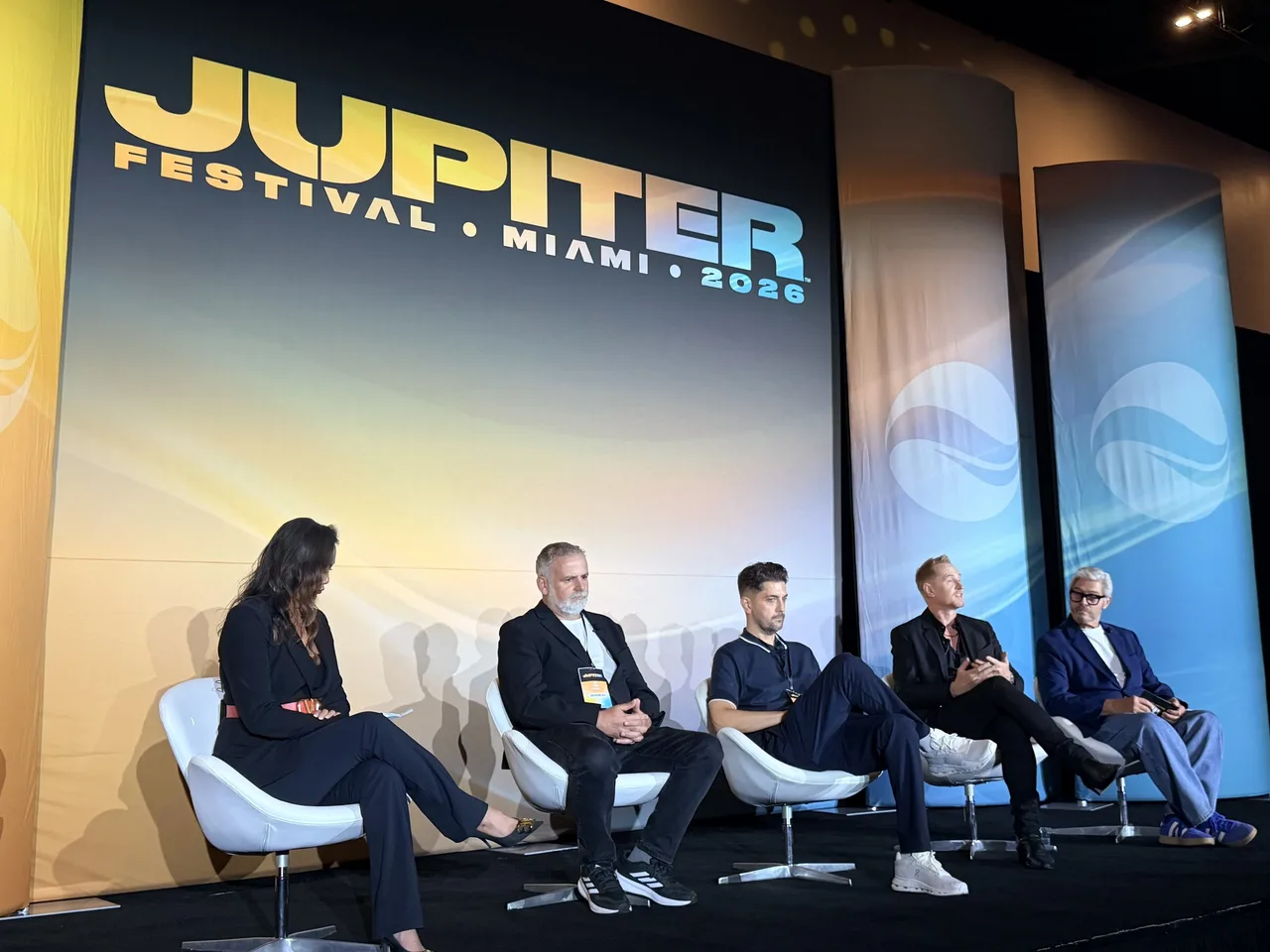
Jupiter Festival founder and CEO William Mellis took the stage alongside co-founder Eric Markgraf and Miami Beach Mayor Steve Meiner as the inaugural festival officially came to life.
Before long, Third Eye Blind was playing loudly enough that having a serious conversation became increasingly difficult.
That was, in some ways, the point.
Jupiter Festival had arrived as a gathering for media, entertainment and sports, but inside the room, the boundaries were considerably messier.
Creators were becoming companies.
Athletes were becoming platforms.
Technology companies were shaping entertainment.
Brands were trying to become part of culture instead of simply advertising around it.
And nearly everyone seemed to be asking some version of the same question:
Where is all of this going?
There Wasn’t One Moment
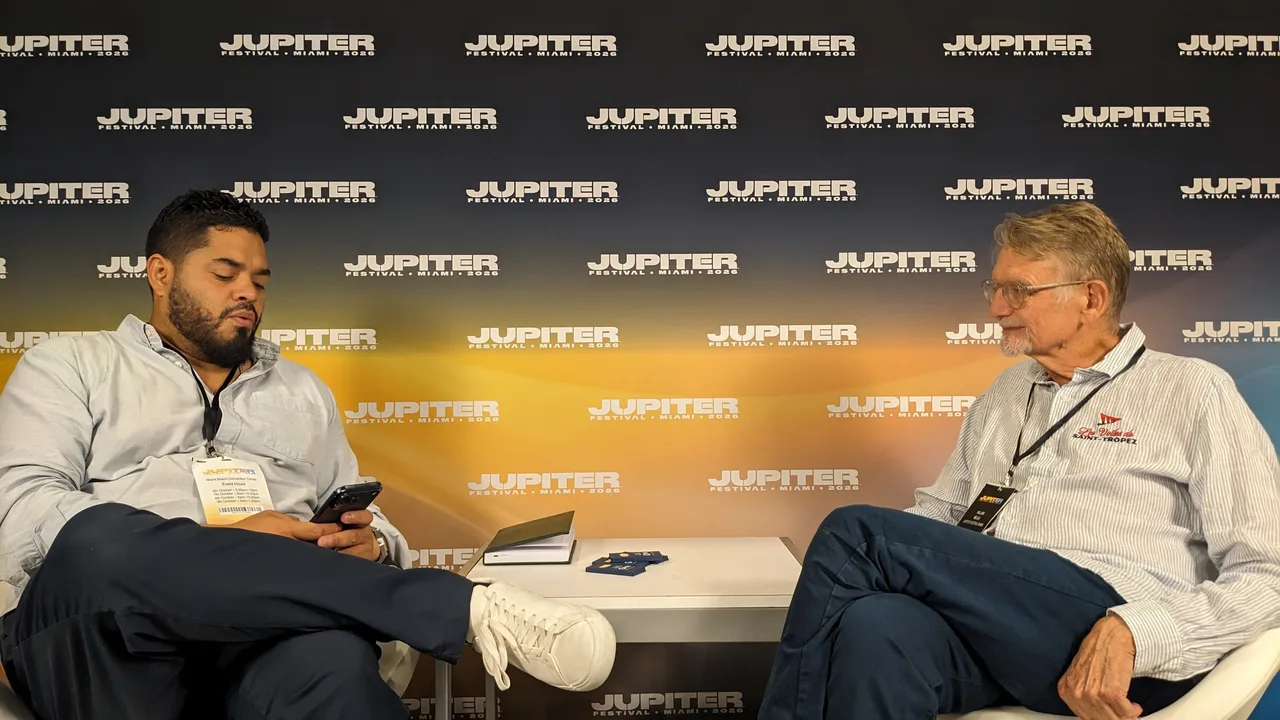
The following morning, I sat down with Jupiter Festival founder and CEO William Mellis.
I asked whether there had been a moment the night before when he looked around and realized the thing he'd imagined had actually become real.
His answer was better.
“There was not one moment. There were many moments.”
He remembered the rooftop at the YouTube lounge. Groups of people talking. Another happy hour downstairs. The band exploding into the room. Conversations becoming nearly impossible because of the music.
People, he said, were enjoying themselves.
That mattered.
Mellis has spent much of his career around media, business transformation and major international platforms.
His premise for Jupiter Festival did not begin with a belief that the world needed another conference.
It began with the opposite observation:
the industry itself no longer fits neatly into an industry.
“Everybody talks about the industry being in transformation,” he told me.
What we're experiencing, he argued, is something more profound: multiple seismic shifts occurring simultaneously.
Creators.
Artificial intelligence.
Short-form video.
Microdramas.
YouTube.
Linear television.
Digital platforms.
Each would be significant by itself.
They're happening together.
When Content Became Infinite
Mellis described the shift in simple terms.
For most of modern media history, content was scarce.
Studios controlled production.
Distribution was concentrated.
Audiences had fewer choices.
Now content is effectively infinite.
A person holding a phone can move from a Hollywood trailer to a creator in Lagos, an NBA highlight, a podcast, a six-second joke, a documentary or an AI-generated video without ever leaving the screen.
The scarce commodity has moved.
It isn’t content anymore.
It’s attention.
And that changes the balance of power.
The consumer decides what to watch, where to watch, how long to stay and whether to return.
“You need to figure out how you engage with the consumer and how you build fans,” Mellis told me.
That word kept coming back throughout Jupiter Festival.
Fans.
Not simply followers.
Not impressions.
Not reach.
Fans.
Reach Isn’t the Same as Relevance
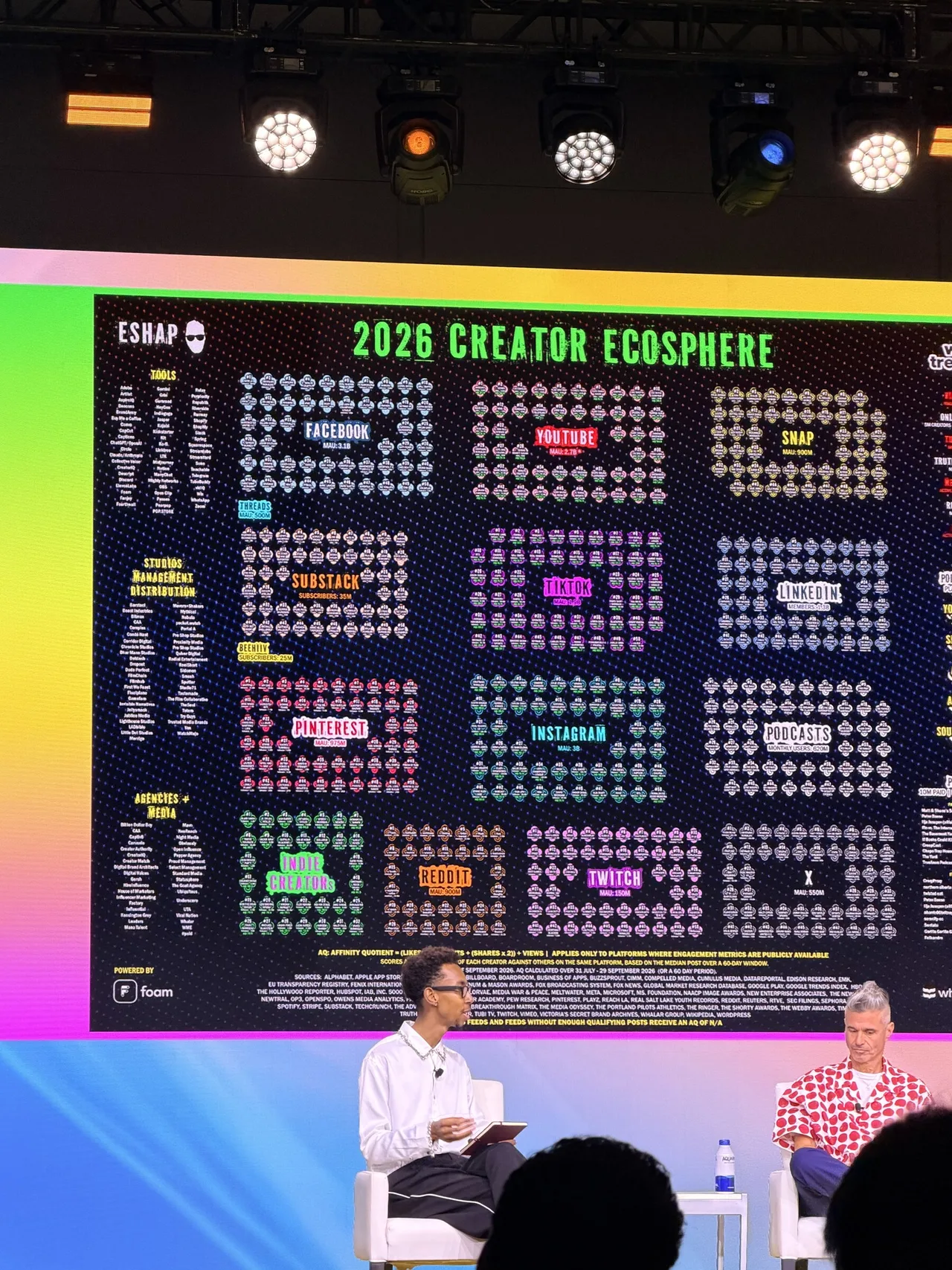
At Jupiter Festival, Evan Shapiro and Shira Lazar unveiled the 2026 Creator Ecosphere, an attempt to map a creator economy that has become increasingly difficult to define.
The conversation was not simply about who had the most followers.
It was about affinity.
Shapiro’s framework looks at the quality of engagement between creators and their audiences, challenging the idea that follower count alone equals influence.
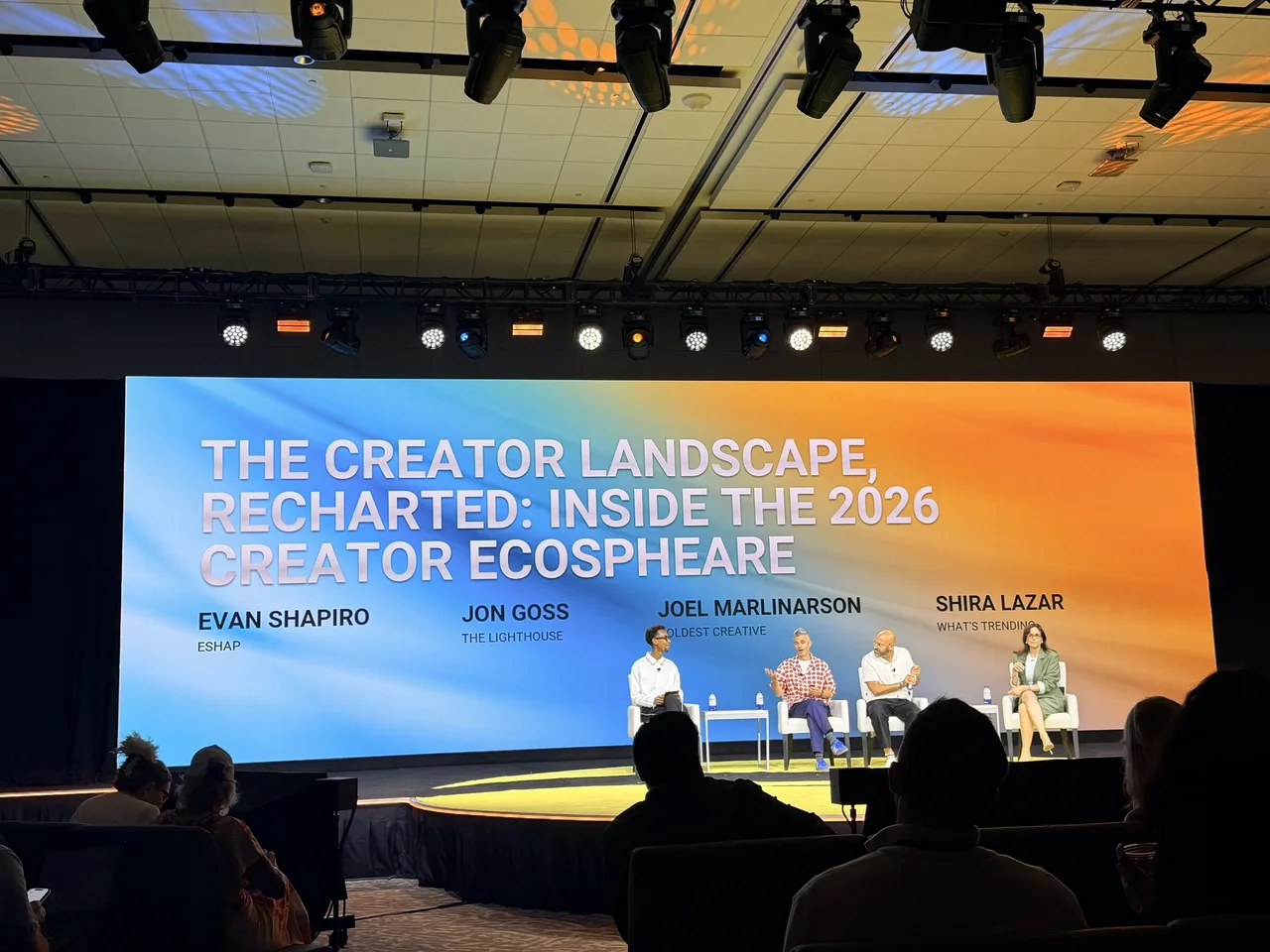
The conversation also expanded the definition of who counts as a creator.
Experts are becoming creators.
Executives are becoming creators.
Journalists, historians, consultants and employees are building audiences around what they know.
Influence no longer necessarily begins with fame.
Sometimes it begins with expertise.
Reach gets you seen.
Affinity makes someone care.
And caring is where fandom begins.
You Can’t Interrupt Your Way Into Relevance
YouTube was difficult to miss at Jupiter Festival.
That was intentional.
When I asked Mellis what traditional media still hasn't fully understood, his answer came quickly:
“YouTube is the future.”
I asked whether that was simply because YouTube happened to be a founding sponsor.
“Nope.”
Mellis said Jupiter Festival pursued YouTube precisely because the platform represented where he believed content was heading.
That argument resurfaced during discussions about advertising.
One point stood out:
A thirty-second television commercial uploaded to YouTube is not automatically good YouTube content.
People can leave.
They can skip.
They can choose something else.
The old model often depended on interruption.
The emerging one increasingly depends on earning participation.
The old model bought interruption.
The new model has to earn attention.
Elsewhere at Jupiter Festival, VaynerX commercial and film director Nema Vand explored the rise of branded microdramas and phone-first storytelling.
The broader idea was consistent:
brands can no longer assume attention simply because they bought the placement.
They increasingly have to make something worth choosing.
Which raises a much more interesting question:
What happens when advertising has to become something people actually want to watch?
When the Athlete Becomes the Platform
Sports offered perhaps the most human example of the larger shift happening throughout Jupiter Festival.
Former NBA All-Star Joakim Noah joined Richard Brown of Passenger Pictures for a conversation titled:
When the Athlete Becomes the Platform
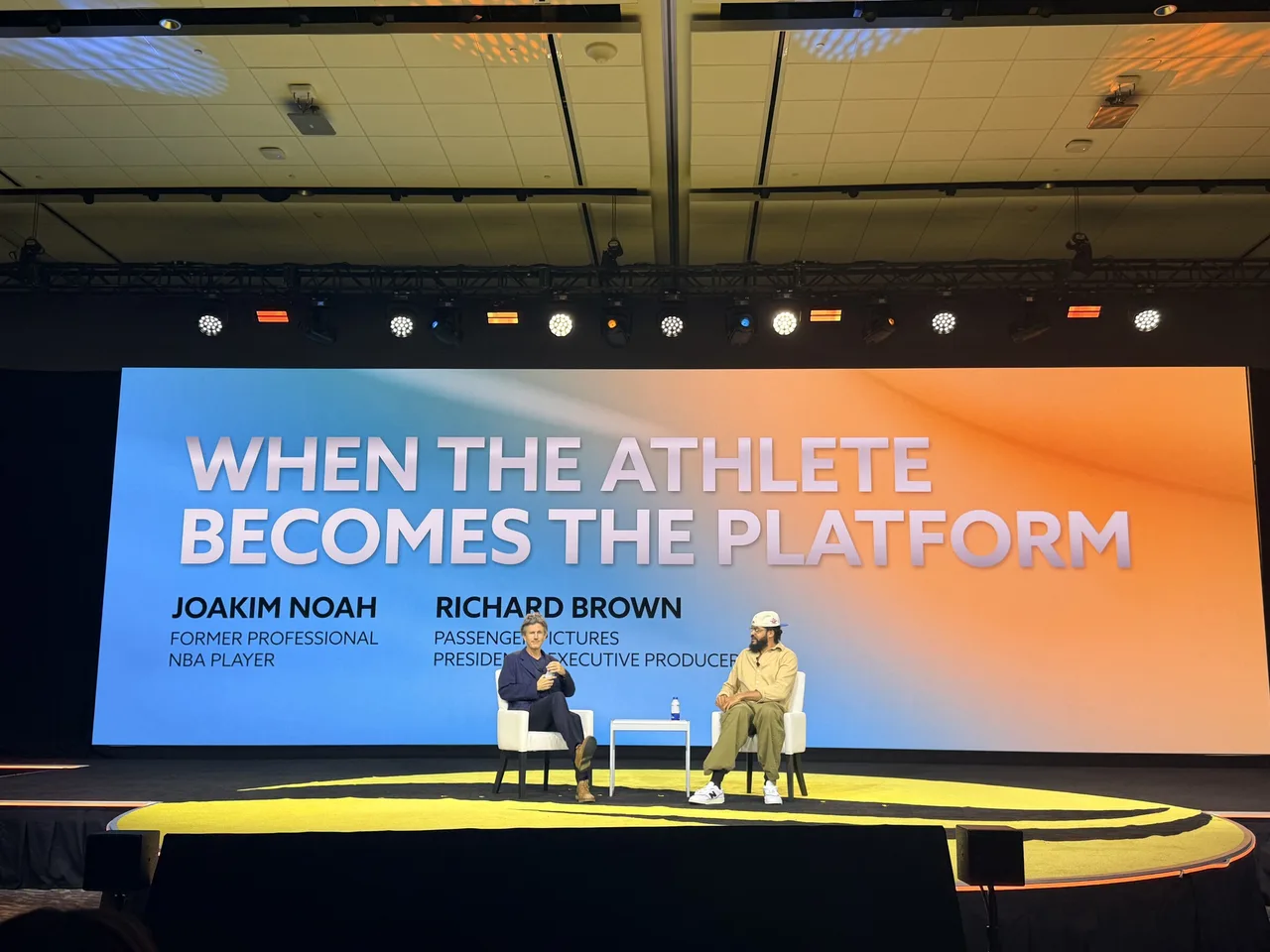
Noah spoke about something less glamorous than becoming a media entrepreneur.
He talked about what happens when the game ends.
For years, life can mean walking into arenas filled with 20,000 or 30,000 people, competing at the highest level, and having much of your identity organized around basketball.
Then one day, it isn't.
What comes next?
For Noah, part of the answer is NOMAD, a project built around traveling the world and discovering cultures through basketball.
They showed a trailer during the conversation, and sitting in the audience, I found myself thinking about Anthony Bourdain.
Bourdain used food as the doorway.
Noah is using basketball.
The game gets you into the place, but the people, culture and way of life become the story.
It felt fun, unforced and genuinely curious.
And it illustrated Jupiter Festival's broader argument almost perfectly.
An athlete no longer has to finish playing and wait for a television network to decide what comes next.
He can own the relationship with his audience.
He can create the show.
He can become the platform.
I had the chance to speak briefly with Noah afterward, and that curiosity felt just as natural offstage as it had during the presentation.
Why Miami?
I asked Mellis why Jupiter Festival had landed here.
Why not New York?
Los Angeles?
London?
Cannes?
Las Vegas?
His answer wasn't complicated.
Miami is vibrant.
It is a destination.
It is fun.
And he wanted somewhere he could create a festival, not simply hold a conference.
After several days inside Jupiter Festival, that distinction became increasingly obvious.
Miami allows unrelated worlds to occupy the same room without asking permission.
Art meets hospitality.
Sports meets entertainment.
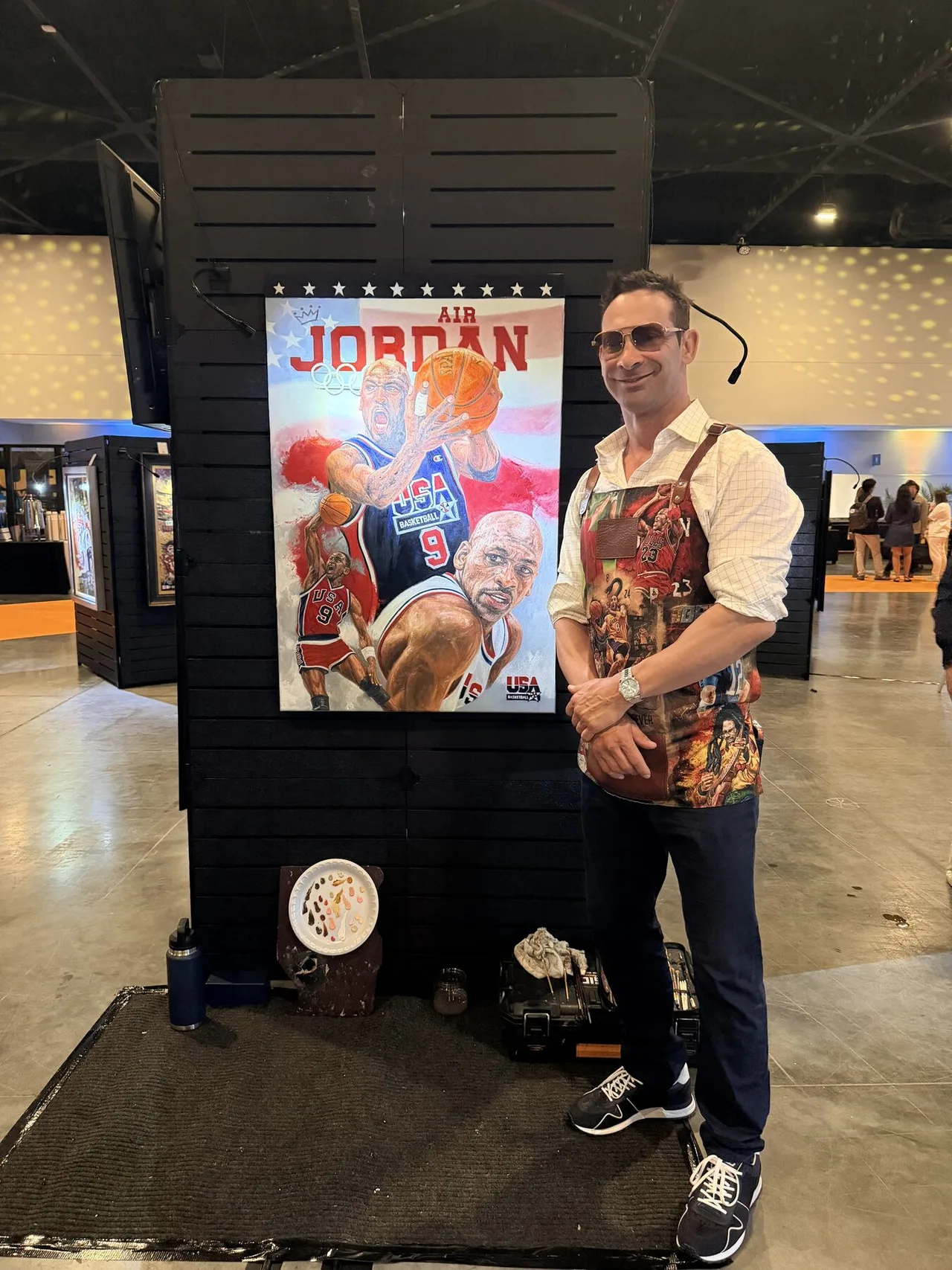
Technology meets nightlife.
Investors meet creators.
Athletes meet artists.
Business moves from a stage to a rooftop to dinner to somewhere beside a pool.
Jupiter Festival's convergence thesis feels natural here because Miami itself behaves like a convergence platform.
Three. Six. Nine.
Mellis had another way of describing what he wanted attendees to leave with.
Three new ideas.
Six new relationships.
A nine-out-of-ten experience.
The formula sounds simple, but it reveals something important.
Food, drinks, lounges, music and parties weren't treated as extras.
They were part of the product.
Because attendees weren't only spending money.
They were spending something more limited.
Time.
“What’s the scarcest thing we have on the planet?” Mellis asked.
His answer was immediate.
“Our time.”
By Night
By night, Jupiter kept moving.
The Future Is Probably Messier Than the Categories
By the final stretch of Jupiter, the pattern was hard to miss.
Nearly every conversation was ostensibly about something different.
Creators.
Sports.
AI.
Platforms.
Media quality.
Storytelling.
But underneath them was the same problem:
How do you earn someone's attention when they have almost infinite alternatives?
The answers varied.
Better creative.
Trust.
Community.
Native storytelling.
Expertise.
Human connection.
Experiences.
But they repeatedly led back to the same place.
Fandom.
When I asked Mellis what he sees coming that people still haven't fully recognized, that was his answer.
“If I build fandom and fans, I win.”
One More Night in Miami
My last night at Jupiter didn't end beneath stage lights.
It ended around a swimming pool.
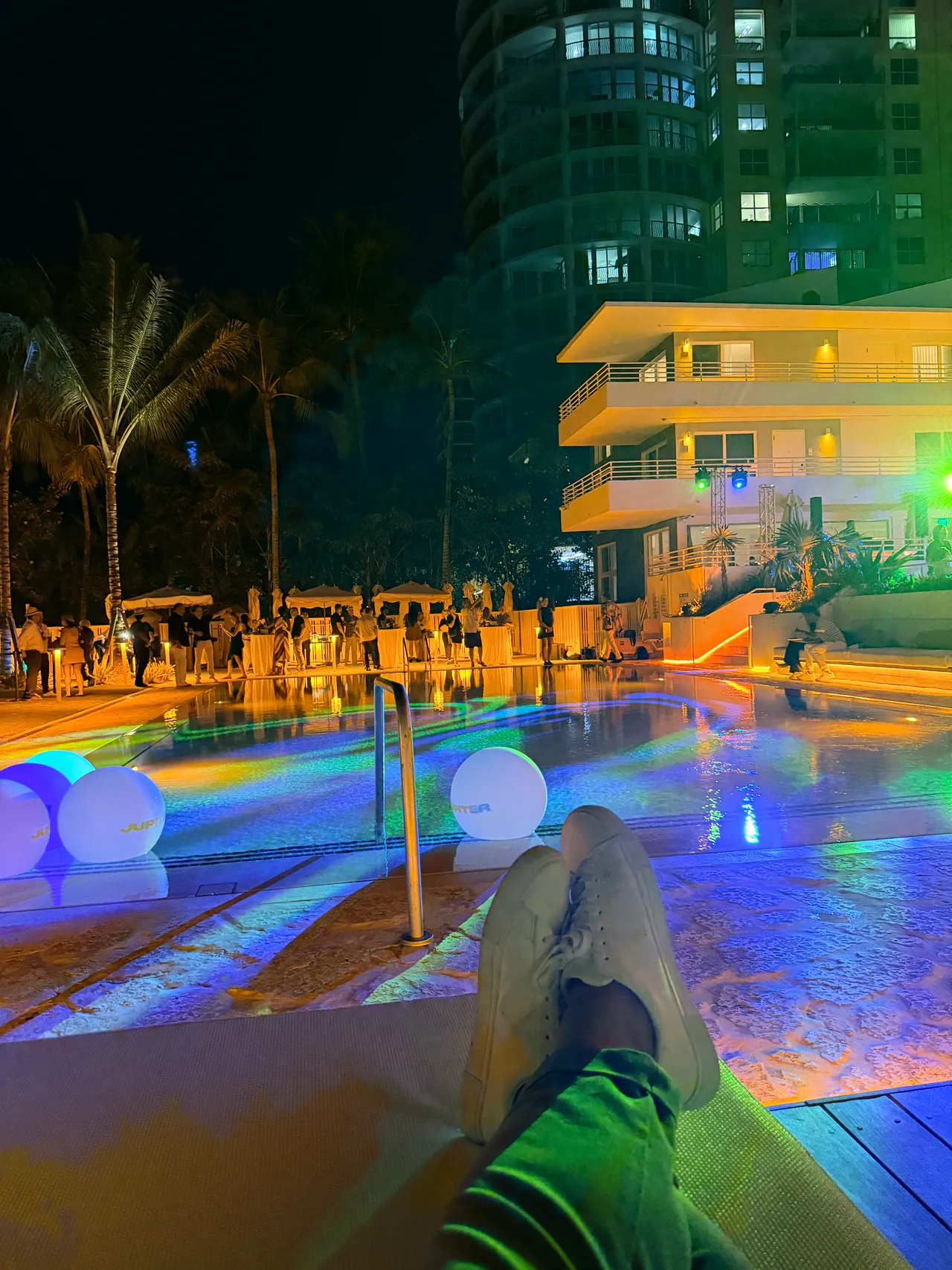
Jupiter had moved to Royal Palm House for Havana Nights. There was music, food, drinks, cigar rollers and people still talking long after anyone needed to.
Color moved across the water.
Miami glowed around it.
And strangely, it felt like the simplest explanation of what Mellis had been talking about from the beginning.
Content has never been more abundant.
Neither have the ways to distribute it.
What's difficult is making someone stay.
Making them care.
Making them return.
At the beginning of Jupiter, I asked Mellis what success would look like when everyone left.
His answer was simple:
“I’m coming back next year.”
Maybe that's fandom in its earliest form.